
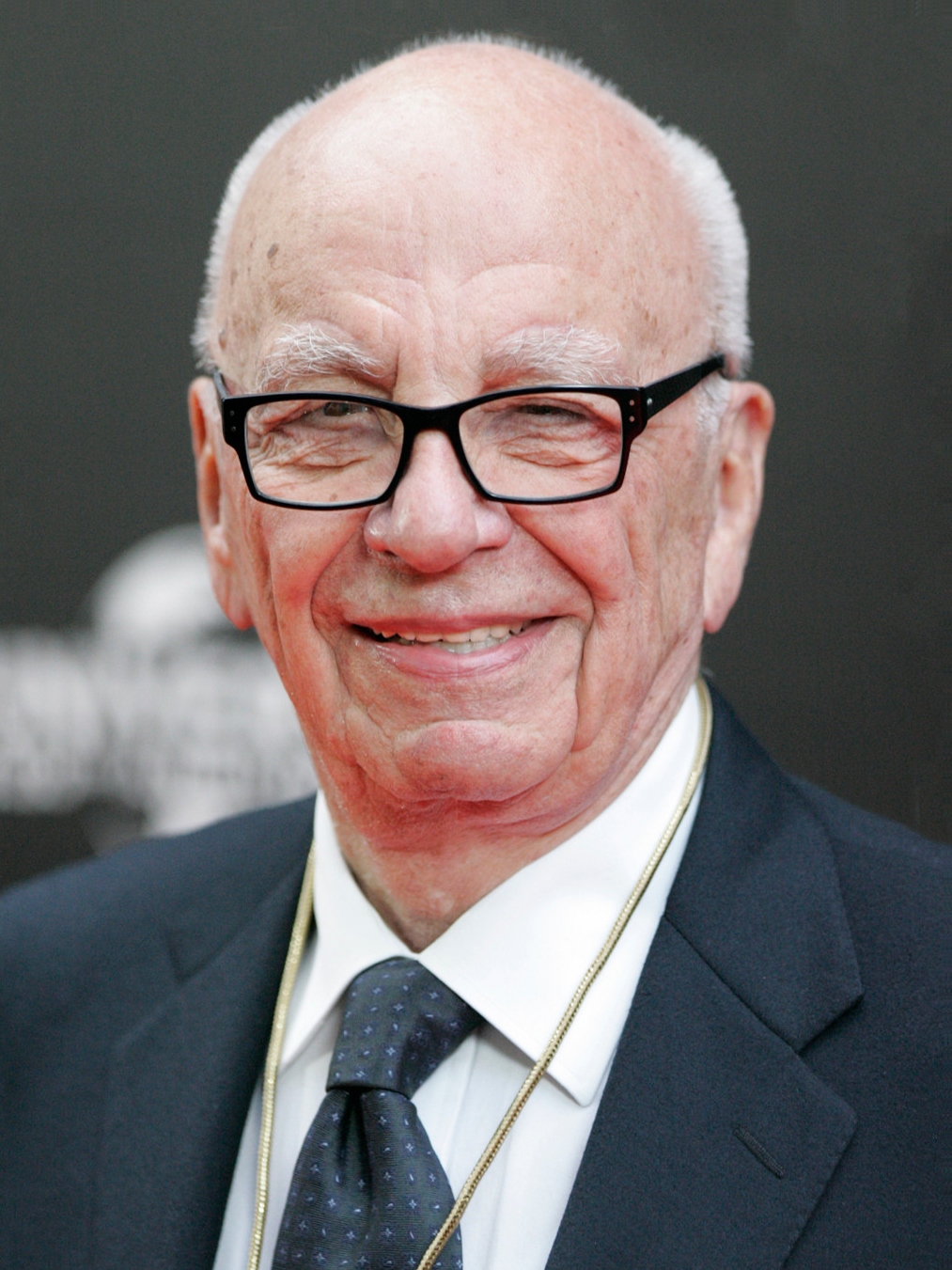
Rupert Murdoch is a name that resonates deeply in the world of media and journalism. As the founder and chairman of News Corp, Murdoch has built an empire that spans the globe, shaping public discourse and influencing politics through his vast array of media holdings. His career, marked by both significant accomplishments and controversies, reflects the transformative power of media in the modern age.
Early Life and Career
Born on March 11, 1931, in Melbourne, Australia, Rupert Murdoch is the son of Sir Keith Murdoch, a prominent journalist and newspaper owner. After attending the University of Oxford, where he studied Philosophy, Politics, and Economics, Murdoch took over his father’s newspaper, the News, in 1952. He quickly expanded his media interests, acquiring more publications across Australia and establishing himself as a formidable force in the industry.
In 1969, Murdoch moved to the United States, where he continued to build his media empire. He acquired the San Antonio Express-News and later purchased the New York Post. However, it was his acquisition of the 20th Century Fox film studio and the founding of the Fox Broadcasting Company in the 1980s that truly catapulted him into the global spotlight.
The Rise of News Corp
Under Murdoch’s leadership, News Corp grew to encompass a diverse range of media properties, including newspapers, television networks, and publishing companies. The company’s most notable assets include the Wall Street Journal, The Times, and The Sun in the UK, as well as Fox News, which has become one of the most-watched cable news networks in the United States.
Murdoch’s approach to media has often been characterized by his willingness to take risks and push boundaries. He pioneered the concept of tabloid journalism, focusing on sensationalism and populism to attract readers. This strategy proved effective, making his publications some of the most profitable in the world.
Political Influence and Controversies
Murdoch’s influence extends beyond the media industry; he has played a significant role in shaping political landscapes in both the US and the UK. His media outlets have been known for their strong political affiliations, often supporting conservative candidates and policies. This alignment has sparked debates about the role of media in politics and the ethics of corporate influence.
Murdoch has faced numerous controversies throughout his career, including allegations of unethical practices, such as phone tapping and the spread of misinformation. The News of the World scandal in 2011, where it was revealed that journalists had engaged in widespread phone hacking, led to significant public outcry and legal consequences. The fallout from this scandal prompted Murdoch to close the newspaper and resulted in heightened scrutiny of his media empire.
Personal Life
Murdoch’s personal life has been as eventful as his professional career. He has been married four times and has six children, several of whom are involved in the family business. His eldest son, Lachlan Murdoch, has emerged as a key figure in the company, with many speculating about his potential to take over the media empire in the future.
Recent Developments
In recent years, Rupert Murdoch has continued to adapt to the rapidly changing media landscape. The rise of digital media and social platforms has forced traditional media companies to rethink their strategies. Murdoch has been vocal about the need for regulation in the tech industry, advocating for policies that support journalism and protect against the spread of misinformation.
In 2020, Murdoch and his family made headlines with the launch of News Corp’s digital subscription service, aiming to attract a new generation of readers. This move reflects his understanding of the evolving media landscape and his commitment to maintaining relevance in a digital age.
Legacy
Rupert Murdoch’s legacy is a complex one, marked by significant achievements and profound controversies. As a media mogul, he has fundamentally changed the way news is consumed and produced, leaving an indelible mark on journalism. His influence on global politics and public discourse continues to be felt, sparking ongoing debates about the power and responsibility of media in society.
While Murdoch’s methods and the ethical implications of his business practices remain subjects of scrutiny, there is no denying his role in shaping the modern media landscape. As he enters the later years of his career, the future of News Corp and its direction under his leadership will be closely watched, as will the impact of his legacy on the media industry for generations to come.
Conclusion
Rupert Murdoch’s journey from a young newspaper owner in Australia to a global media powerhouse is a testament to his ambition and vision. His contributions to journalism, combined with his influence on politics and society, ensure that he remains a pivotal figure in the world of media. As the industry continues to evolve, Murdoch’s role in shaping its future will undoubtedly be a topic of discussion for years to come.
